
ABBA EL FAMILIAR
FOREWORD
Welcome to Abba El Familiar. We are most grateful to the Almighty God that he has endowed us with an in-depth vision to initiate a transformational programme for our motherland Africa, beginning from Ghana. Our mandate is to respond to the yearning of the suffering masses for peace, stability, and a sense of direction. “And God blessed them and said to them, “Be fruitful and multiply, fill the earth and subdue it, rule over the fish of the sea and the birds of the air and over every living creature that moves on the surface of the earth” – (Genesis 1:28).
This charge, as decreed by God on man, empowers him to take absolute control over all creation that offers life—that is, air, water, rivers, oceans, sunshine, flora, and fauna—superintended by the wisdom of God in man to ensure that God’s nation is fed in sufficiency. That the good shepherd feeds His flock, that all nature regenerates to maintain its luxuriance. This is the expression of the Christian dimension of social development. We at Abba El Familiar believe the abundant natural resources of Africa must be developed to enhance self-sufficiency and facilitate true independence for the indigenes.
In this credence, we have carefully analysed the general crises and offered an alternative solution for Ghana’s solution to the pending general devastating economic crisis in Ghana and Africa. With the timing of developing this material, we do not doubt that the reader will quickly assume that the document is focused on mining in Ghana and the other terms that come with it, such as illegal mining, galamsey, pollution of water bodies, deforestation, climate change, and global warming issues. Indeed, anyone with such presumption is not far from the truth, since those mentioned above have become the crux of the prevailing crisis in Ghana.
However, we at Abba El Familiar have a broader view of Ghana’s current existential crisis. It is important to mention that our broader view does not undermine the Galamsey and water pollution crises. In this credence, we have attempted to bring the reader’s view to the general causation of the economic crisis that has resulted in the current overwhelming calamity.
We are very optimistic and wish to point out to the reader that it is not in the interest of Abba El Familiar to lament and elaborate on the pending crises without taking action.
Our prime objective is to point out the causation of the challenges and offer a permanent positive solution for emancipation from the pending crisis. Ghanaians must awaken from the overdue slumber; it is about time we abolished mediocrity in our system. It is high time we venture to liberate ourselves from the psychological slavery. Mother Africa is calling for brave men and women who are poised for a change for Africa, beginning from Ghana. We can and surely do. With a collective effort, we will redeem the highly cherished image of Mother Africa.
The content of this document attempts to present our vision; the next pages will sensitise you to our objectives for development programs in Africa. We have tried as much as possible to furnish you with vivid information about the purpose and need to establish a rehabilitation facility that will serve as an anchor for the transformation and development of third-world countries. The gist of this credence is the basic principle of Abba El Familiar. We are very hopeful that the message presented will give you a clear view of our advocacy and general benevolent activities. We are very optimistic that this advocacy and life-aid ministry will have a positive impact on the suffering masses. As you explore more information about us, may the spirit of the living God inspire you to partner with us in emancipating our motherland, Africa.
MESSAGE FROM THE FOUNDER
This profile of Abba El Familiar is to help Christian leaders understand and appreciate the importance of keeping an eye on social issues and supporting innovations that are initiated to aid humanity.
The thrust of this profile is to direct the reader’s mind to the need for Christian leadership to maintain the stethoscope as stewards of the planet Earth and humanity. The profile does not seek to address some thorny and thought-provoking issues about secular leadership, harp on the weakness of politicians, or expose the shortcomings of government or any group of individuals.
However, that does not negate the fact that the current devastating political trend calls for the need for God’s people to arise and initiate innovations that will bring hope to humanity. It is very important to state categorically that the negative impact of leadership and individuals who place themselves at the helm has always been there. What this profile seeks to highlight is to present an alternative solution dubbed the ‘Christian dimension to social development’. The prevailing critical economic crisis of these recent times behoves us to rethink the Christian dimension of the social development agenda. We are very optimistic that Christocracy has the answer to all the economic crises and conflicts in our world today. Ghana is a sovereign country with the majority of her citizens being Christians; it is therefore appropriate to mention that Christendom must arise and demonstrate Godly leadership qualities in the area of governing God’s people. We need to apply God’s divine wisdom and principles. This is the mandate and vision of Abba El Familiar.
What the masses need is education, motivation, peace of mind, and a sense of direction. With unity and zealousness, we can transform our deteriorated economic conditions. Abba EI Familiar is very optimistic that Christocracy can bring sanity, peace, and serenity to society. And that is true transformation. We pray that God, through his convicting power of the Holy Spirit, will work on our hearts to awaken us to discern the need for us to keep a constant focus on God and maintain our mandate as stewards of the planet Earth and humanity.
Prince Benjamin Mawutor
President
EXECUTIVE SUMMARY
Abba El Familiar has been established to serve as a mechanism that engineers excellent solutions to the development of mediocrity in Africa. We at Abba El Familiar are optimistic that encouraging and empowering the indigenes of the African continent is an accurate attempt at rejuvenating its people; we are of a strong view that developing natural resources from the grassroots is the best way to reconstruct the African continent. For instance, most of the devastating social and economic issues that have bedevilled third-world countries can be solved with the abundant resources available. Abba El Familiar has been established to serve as a machinery to foster lasting solutions to the lingering economic crisis in Africa.
How long will the masses continue to suffer poverty, socioeconomic injustice, and moral decadence? How long will the Black race continue to remain in third-world status? How long will leadership in the third world remain subservient to the interests of the corporate West? Will the Black race survive the emerging scourge of the new world order engendered by the combined iniquitous mysteries of the pharmaco-industrial conglomerate and propagated by the hyperactive rented media?
We at Abba El Familiar believe there is an urgent need to reconstruct ideologies in the area of resource mobilisation and development to serve as a solution to the above-mentioned concerns.
Initiating urgent solutions for the long-standing undermining attitude towards the people of Africa is the sole purpose for which Abba El Familiar has been established, and that is our core mandate. To the glory of God, we have been blessed with an initial four hundred and eighty-six (486) acres of potential tourist attraction sites to be developed as an eco-community, which will be the home of many.
We envisage doubling up efforts in developing the four hundred and eighty-six-acre land, which is actually an island, into a second-to-none international standard tourist centre in Ghana, the first of its kind in our sub-region.
Though the African continent is endowed with abundant, rich natural resources that can be developed to turn the African continent into a paradise, some African nations have conceded to the erroneous theory that Africans are inferior to other races of the world; this is what has led to the mindset of the average African to seem to have resigned to her mediocre state.
Africans are blessed, not cursed. The theory is meant to build a unique negative mentality about the Black race. The aim is to retard its progress and liberties. In fact, this deceptive machinery has created room for other races to exploit the resources of the African continent with the complicity of the Black race.
The main problem of the Black race is our failure to utilise the abundant resources that God has entrusted us with for our benefit. Others have benefitted from it to our disadvantage. This has always been done under the guise of ‘advice’ and ‘support’ from the Western world.
Abba El Familiar is of the strong view that if Africans learnt to utilise the available resources from the grassroots and sought the welfare and combined efforts of its inhabitants faithfully, Africa would advance rapidly and our predicament would ease permanently.
All programs of Abba El Familiar are designed to achieve the long-awaited peace, stability, and progress for the people of Africa, beginning in Ghana. We are optimistic that for the Black race to experience total transformation, the indigenes must arise and work towards it with a combined effort. This must be done with a desire and focus on total transformation and emancipation. With emancipation in mind, we have resolved to adopt and maintain the policy of involving the indigenes at home and abroad as our major stakeholders. This is to ensure self-development for Africans in Africa. Beginning in Ghana, this program is designed to allow our colleagues in the diaspora to invest their much-explored and experienced worldview from the Western world in our motherland.
INTRODUCTION
The fitting word to describe Ghana and the condition of its citizenry is ‘serendipity’. This is because although Ghana is endowed with abundant natural resources such as gold, diamonds, bauxite, iron ore, and many more, coupled with fertile lands and vegetation, obviously, it is a mystery as to why we have not been able to emancipate ourselves. We have not been able to emancipate ourselves from the economic crisis. Currently, Ghana is rated among the poorest countries in the world.
The main long-standing issue of Ghana is not about galamsey and pollution of water bodies that surfaced in recent times; our issue is about the lack of quality leadership, ideas, and initiatives that we need for transformation. This has created the problem of the economic crisis in Ghana and has consequently thrilled the citizenry to the point of erroneously fighting for survival. To cite an example, mining in Ghana and the Galamsey issues would not have travelled this far to the extent of polluting our water bodies and destroying our forests and reserves if there had been proper management and supervision measures. As it stands, we face an existential threat. The economic situation, water pollution crisis, deforestation, and Galamsey must be halted as soon as possible. If the situation is not checked and allowed to fester, the result will be cataclysmic.
Research is the seed that sprouts change, and innovation is the harvest that feeds progress. Embracing this philosophy, the Abba El Familiar Foundation is dedicated to pioneering research on alternative solutions that foster sustainable development, drive social transformation, and enhance environmental stewardship in our communities.
Through collaborative efforts and evidence-based approaches, we strive to bridge knowledge gaps, empower local stakeholders, and cultivate innovative solutions that promote resilient and thriving communities for generations to come.
Our goal is to leverage expertise and community engagement to address pressing challenges. We achieve this by identifying these challenges through participatory research and community-led assessments, which enable us to understand the root causes of issues and develop innovative, evidence- based solutions.
To foster collaborative learning, we establish workshops, training programs, and knowledge-sharing platforms to promote evidence-based practices through rigorous research, evaluation, and policy advocacy. Strategic partnerships between community groups, academia, government, and private sector stakeholders facilitate collective action.
Capacity building is crucial to our mission. We empower community leaders, entrepreneurs, and change-makers through training and resource support.
Policy reforms and advocacy initiatives drive systemic change, while accessible resources, tools, and guidelines enable community-led development.
Our approach prioritises community ownership and participation, inclusive decision-making, contextual relevance, continuous learning, transparency, accountability, and ethics. By embracing these principles, we harness collective action and expertise to improve the quality of life for marginalised communities.
Ultimately, our work enhances social cohesion and community resilience, drives sustainable economic growth, and promotes environmental stewardship. Through actionable research and data driven insights, we inform policy and practice, shaping a brighter future for all.
GALAMSEY IN GHANA
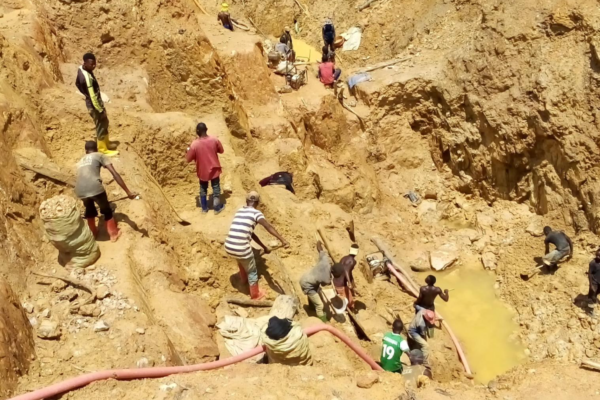
Ghana’s galamsey sites are scattered across various regions, with some of the most notable ones located in the Ashanti, Central, Eastern, Western, Brong-Ahafo, Northern, Upper West, and Upper East regions. These regions have several districts where galamsey activities are prevalent, including Atiwa, Akroso, Kwaebibirem, Asante Akim Central, Obuasi Municipal, Tarkwa-Nsuaem, Prestea- Huni Valley, and Amenfi Central. Specific galamsey sites have been identified in Obuasi’s Binsere, Tarkwa’s Abontiakon, Prestea’s Bogoso, Akyem Abuakwa, and the Atiwa Forest Reserve. Other notable sites include Mpatasie, Noyem, and Kwabeng. These sites are often located in remote or hard- to-reach areas, making monitoring and enforcement challenging.
SOME REASONS FOR THE GALAMSEY ENGAGEMENT
Economic factors play a significant role in driving individuals to engage in galamsey. Poverty, lack of alternative livelihoods, and income sources force people to resort to galamsey. Unemployment, particularly among youth, further exacerbates the situation. The promise of quick cash and financial gain is attractive to those seeking financial stability, while economic inequality and disparities in wealth distribution also fuel galamsey.
Social factors also contribute to the prevalence of galamsey. Cultural influence and traditional mining practices perpetuate the activity, with social pressure and community expectations encouraging participation. Limited education and awareness about environmental and health risks associated with galamsey also play a role. Additionally, family ties can make it difficult for individuals to resist involvement.
Environmental factors facilitate galamsey operations. With weak enforcement and regulation, access to land and natural resources enables illegal mining activities. Climate change and drought push farmers to seek alternative income sources, while Ghana’s rich mineral deposits attract artisanal miners.
Political factors also perpetuate galamsey. Corruption and bribery facilitate illegal mining operations, while lack of policy enforcement and ineffective implementation of mining regulations create opportunities for galamsey. Political instability and weak governance further exacerbate the issue, with patronage from politicians and influential individuals supporting galamsey operations.
Psychological factors drive individuals to engage in galamsey. Risk-taking behaviour and underestimating risks are common, with the promise of instant wealth and the excitement of exploration drawing people in. A survival mentality prioritises short-term gains over long-term consequences.
OUR ALTERNATIVE SOLUTION
Community farming would offer a comprehensive solution to curb the galamsey menace. By providing alternative livelihoods and income sources, community farming reduces reliance on galamsey, addressing poverty and unemployment. Cooperative farming models would ensure shared profits and decision-making by promoting equitable distribution of resources and benefits.
Community-led farming initiatives foster social cohesion and collective ownership, reducing social pressure and cultural influence that drive galamsey. Community-led workshops and demonstrations showcase sustainable farming practices, while peer-to-peer learning and mentorship programs promote knowledge sharing.
Research shows that community farming promotes sustainable land use and resource management, mitigating climate risks through diversified and climate-resilient farming practices. Agroforestry and permaculture practices also promote ecological balance, while soil conservation and irrigation systems ensure efficient water use.
Regular income and profit-sharing is most likely to motivate community members, reducing the allure of quick riches and promoting a sustainable wealth creation pathway. Community savings and credit schemes support farm investments, while farm-to-table initiatives provide a sense of ownership and pride.
Community-led governance structures would ensure transparency and accountability, reducing corruption and external influence. We would partner with local authorities and NGOs to enhance support and resources, while community farming cooperatives advocate for policy support and protection.
Community farming proves to provide numerous benefits, including reduced poverty and unemployment, promoting sustainable land use and resource management whilst fostering social cohesion and community ownership, providing alternative livelihoods and income sources, and enhancing food security and nutrition.
⦁ To successfully implement community farming initiatives, Abba El Familiar considered the following steps:
⦁ Conduct thorough community needs assessments and feasibility studies to identify local requirements and potential.
⦁ Establish community-led farming cooperatives and governance structures to ensure ownership and decision-making.
⦁ Provide training and capacity-building programs to enhance skills and knowledge.
⦁ Secure funding and resources through partnerships with local authorities, non-governmental organizations (NGOs), and private sector entities.
By following this approach, community farming initiatives can:
• Empower local communities
• Foster sustainable agriculture practices
• Improve food security and nutrition
• Enhance economic opportunities
• Promote environmental stewardship
Effective implementation requires collaboration among key stakeholders, including:
• Local communities
• Local authorities
• NGOs
• Private sector partners
• Agricultural experts
Policy support is crucial, including funding and resources for community-led farming initiatives, policies promoting sustainable agriculture and land use, enhanced extension services, and partnerships between community farming cooperatives and private sector actors.
Through community farming, communities can take control of their food systems, improve livelihoods, and ensure a sustainable future. By embracing community farming solutions, we can create a sustainable and equitable future for communities affected by galamsey. Community farming holds significant importance to Ghana’s economy amidst the galamsey menace, offering numerous benefits.
Economically, community farming generates employment opportunities for rural youth and adults, provides a stable source of income, reduces poverty and inequality, and contributes to GDP growth. Additionally, export-orientated community farming can generate foreign exchange earnings.
Socially, community farming ensures access to fresh, healthy produce, improving food security. Farming initiatives foster social cohesion, community ownership, and collective decision-making, empowering women and youth through training, capacity building, and economic opportunities.
Environmentally, community farming promotes eco-friendly practices, reducing land degradation. Efficient irrigation systems conserve water resources, and agroforestry and permaculture practices maintain ecological balance.
Community farming also mitigates the galamsey menace by providing alternative livelihoods, reducing rural-urban migration, and restoring degraded lands. To support community farming, the government should develop policies promoting sustainable agriculture and land use, allocate resources, and provide extension services.
Private sector involvement is also crucial, through investment, market access, and technology transfer. Partnerships with community farming cooperatives can provide funding and resources, establish market linkages for produce, and introduce innovative farming practices and technologies.
Despite challenges such as land tenure security, access to credit and markets, and climate change resilience, community farming presents opportunities for scaling up initiatives and integrating technology and innovation.
By prioritising community farming, Ghana can diversify its economy, enhance food security, promote sustainable land use, reduce poverty and inequality, and mitigate the galamsey menace.
Community farming, coordinated by local chief leaders and youth, offers a promising solution to Ghana’s economic and environmental challenges. By working together, these groups can create sustainable farming initiatives that provide alternative livelihoods to galamsey activities, mitigating environmental damage and ensuring long-term land health.
The benefits of community farming are numerous. Economically, it generates employment opportunities, provides a stable source of income, and contributes to GDP growth. Socially, farming initiatives foster social cohesion, community ownership, and collective decision-making, improving food security and nutrition. Environmentally, sustainable farming practices reduce land degradation, conserve water resources, and maintain ecological balance.
Local chief leaders play a vital role in community farming, providing land, resources, and guidance to support initiatives. Youth bring energy, skills, and innovation, ensuring sustainability. Government and private sector partners offer funding, technical assistance, and market access to support community farming.
Despite challenges such as land tenure security, access to credit and markets, and climate change resilience, community farming presents growth opportunities. Implementing climate-resilient farming practices, securing land rights, and providing access to financing and markets can ensure the success of community farming initiatives.
By prioritising community farming, Ghana can reduce poverty and inequality, promote sustainable land use, and mitigate the galamsey menace. This collaborative approach empowers local communities, preserves the environment, and drives economic growth.
Key to success is the engagement of local chief leaders and youth, who will:
• Identify suitable lands for farming.
• Develop sustainable farming practices.
• Establish market linkages.
• Provide training and capacity building.
• Ensure community ownership and decision-making.
Through community farming, Ghana can create a brighter future for its people and environment. Community farming initiatives offer a sustainable solution to stop galamsey in Ghana, benefiting
forest reserves and water bodies. This approach provides long-term benefits, including conservation of biodiversity, protection of watershed areas, soil erosion prevention, carbon sequestration, and sustainable wood harvesting.
Ghana’s key forest reserves, such as Kakum National Park, Cape Three Points Forest Reserve, Digya National Park, Mole National Park, and Bomfobiri Wildlife Sanctuary, covering over 10% of the country’s land area, will greatly benefit from community farming. These reserves provide essential ecosystem services, including water cycling, climate regulation, and habitat preservation.
By implementing community farming initiatives, Ghana can protect its forest reserves and water bodies, promote sustainable land use and natural resource management, empower local communities and improve livelihoods, reduce poverty and inequality, and mitigate the environmental and social impacts of galamsey.
To achieve this, policies against galamsey, including the Environmental Protection Agency Act (2014), Minerals and Mining Act (2006), and Forest Protection Act (2002), will be enforced. Implementation strategies will involve conducting community needs assessments, establishing community-led farming cooperatives, providing training and technical assistance, securing funding and resources, and fostering partnerships between community farming cooperatives and market actors.
Key stakeholders, including government ministries, local communities, civil society organisations, private sector actors, and traditional authorities, will collaborate to ensure success. Through community farming, Ghana can safeguard its natural resources, improve livelihoods, and create a sustainable future.
Additionally, community farming will:
• Provide alternative livelihoods to galamsey.
• Improve food security and nutrition.
• Enhance ecosystem services.
• Support climate change mitigation.
• Foster community development and social cohesion.
By embracing community farming, Ghana can protect its environment, promote sustainable development, and ensure a brighter future for its citizens.
Grace has given us the vision to initiate this transformational programme in response to the needs of our era. Deforestation, biodiversity loss, and the adverse effects of global industrialisation have culminated in global warming and climate change.
Seedling Nursery
These have changed, but minds are yet to change. The Christian-inspired vision has awakened us to
God’s Divine Charge to Humanity, as decreed in Genesis 2:15.
Horticulture
This charge is in search of the critical thinking that Abba El Familiar represents, to seek like-minded men to prosecute this divine charge. Abba El Familiar Foundation seeks to raise seed capital to kickstart the educational and sensitization as well as ground projects to effect the required change. This is the demonstration of our commitment to harness our natural environment of arable land, water in abundance, and sunshine to solve economic and social problems. Specialized areas of agriculture are now an economic venture. Horticulture is a viable export sector as well as organic vegetable production, which is making earnings for countries like Ethiopia and Kenya.
Aquatic Industry
Bee Keeping
Burkina Faso and Niger are earning enviable foreign exchange from the export of tomatoes and onions. We have a comparative advantage over these friendly neighbors in both vegetation and climate.
OUR VISION
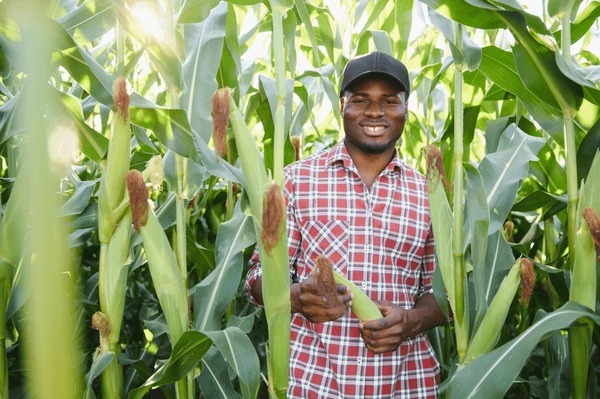
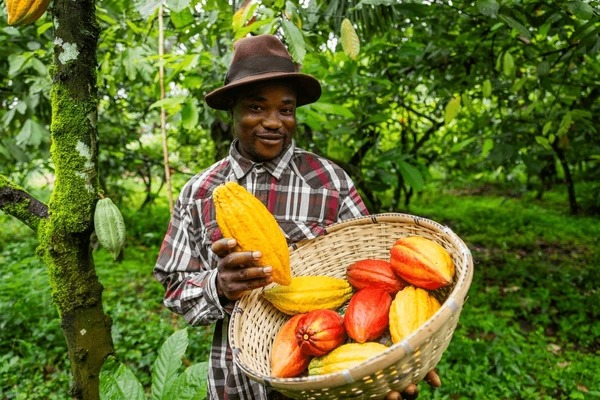
The vision of Abba El Familiar is to combat the current mediocrity, slow-paced development, and economic crisis in Ghana. Our main object is to bring together leaders and community members with a positive mindset to create a developmental machinery that will enhance the development growth of the people of Ghana, with the immediate focus on agriculture, horticulture, and the fisheries and aquatic industries with targeted crops being;
• Organic vegetable farming
• Tubers like red potatoes
• Beekeeping
• Horticulture
• Maize and other grains.
• Seedling nursery
• Kente weaving industry
We have an objective to ease the devastating burdens of the suffering masses of this time. Humanity faces challenging questions that beat the capabilities of science and technology, even at the apogee of achievement.
• How long will the masses continue to suffer poverty, socio-economic injustice, and moral decadence?
How long will the Black race continue to remain in the third part of the world?
• How long will the leadership in the third world remain subservient to the interests of the
Corporate West?
Will the Black race survive the emerging scourge of the New World?
Order engendered by the combined iniquitous mysteries of the pharmaco-industrial conglomerate and propagated by the hyperactive rented media?
We at Abba El Familiar believe there is an urgent need to construct ideologies in the area of resource mobilization and development to serve as a solution to the above-mentioned questions in order to achieve a progressively disciplined society.
The blend of our commitment with our resources is eagerly waiting for the financial upliftment to achieve our objectives.
You are honoured to be part of the first brethren to support this divine task. We are counting on your benevolent support. Long live Abba El Familiar.
DEVELOPMENT AND PARTNERSHIP POLICY
Abba El Familiar espouses the Christian dimension of social development.
OUR VISION is to:
Envisage the essence of existence in a balanced ecosystem in a balanced and peaceful environment in Africa and beyond.
OUR MISSION is to:
Provide service to humanity in advocacy and practice for social equity and justice of Christian character for the total transformation of society, creating wealth through the development of resources from the grassroots.
This initiative is a huge task that demands the commitment and support of persons of varied expertise. We have an open-door policy, and we are in search of like-minded persons to help turn our agenda into reality.
PARTNERSHIP
This is a call for the solicitation of support from interested donors and investors, who will eventually become shareholders and partners with Abba El Familiar.
Abba El Familiar has a number of specialised development areas for investment and is applying the four-square circle drive philosophy in our resource development with the indigenes of the project site to achieve our wealth creation goals and sustain our investment. Abba El Familiar has a lineup of investment programs to be undertaken.
ABBA EL FAMILIAR’S STAKE
Project planning, management, and supervision, as well as field engagements and marketing, are the obligatory responsibilities of the leadership of Abba El Familiar. We are committed to making an impact in our management through the application of the philosophy of pragmatism and honesty, bound in Christian values with strict transparency, for the mutual benefit of both Abba El Familiar and our investors.
THE PROJECT
The project is conceptualised to specialise in three (3) thematic areas, all geared towards the recovery and conservation of the environment, sensitising the youth to financial independence through sustainable livelihood interventions, and finally, job creation and economic development.
The specialised themes are:
1. Eco-tourism.
2. Agricultural Development, and
3. Job Creation and Employment.
1. Eco-tourism
This component comprises all that it takes to develop a water site tourist facility of international repute, including the conservation of the adjoining lands surrounding the river and the island in particular. The nearby banks of the river will host the water park facilities of the water tourism subcomponents, providing access to the far bank across the river to the island. Access to the island is restricted to cable cars and motorised boats provided by the project.
2. Agricultural Development
The agricultural development of Abba El Familiar aims at the holistic development of Kome Island’s agricultural potential into a centre of excellence for agribusiness. The island will produce crops, cereals, and vegetables with zero agrochemicals. This is to boost the production of biodiversity in aquatic as well as floral and faunal ecosystems. The island will serve as a seed centre to feed agricultural fields outside the island and within its riparian zone.
The effective management of the agricultural value chain will create a vibrant agribusiness environment with a clientele base among supermarkets and malls, where organic agro-produce will be marketed. This will transform the multiple effects of food production in an environmentally friendly space, the value chain sustenance into permanent jobs, and wealth creation.
3. Job Creation and Employment
The job creation concept of Abba El Familiar has to do with the youth training in sustainable livelihood skills such as weaving, beekeeping, vegetable oil production, and the processing of grains such as maize, cowpeas, groundnut, and soya beans, among others.
The provision of storage and processing infrastructure will culminate in the processing value chain for agro-industrial development. Maize, soya, and groundnut could be processed into a variety of food products and animal feed.
Skills in weaving could provide tools for the production of artisanal garments, while honey produced from the beehives could be packaged for distribution in shops and malls. The sustained development of these skills will provide wholesale units for distribution.
The development of these livelihood skills will generate a lot of jobs on the youth front and among women, leading to wealth creation and economic growth.
MANDATE OF ABBA EL FAMILIAR
Abba El Familiar is a unique interdenominational Christian body that exists to minister to the needs of humanity. Hospitality is our hallmark; hence, we have availed ourselves of the Lord to use us as a resource to meet the necessities of the less-privileged people in society. Our conviction is that service to humanity is service to our Creator. Indeed, it is obvious that the times in which we live are very critical. Nevertheless, we are privileged that God has granted us the grace to love and serve His people throughout the world.
Our prime objective is to create a livelihood transformation atmosphere for peace and stability for the suffering masses. Our main target is to reinforce relief and rehabilitation programs as a means of supporting the needy in society. We have opted to offer a holistic religious service that is based on hospitality to society.
Our goal is to render general humanitarian services to our fellow humans. The main idea is to facilitate peace and a decent livelihood for humanity. This is the motive behind our aim to transform the dehumanised conditions of the suffering masses. It is this unique vision that has thrilled us to engage in life-saving and advocacy activities for society. We are determined to come up with an alternative solution that could put a smile back on the faces of the suffering masses.
Research findings have proven that people need encouragement, counselling on equal opportunities, and education; this is what Abba El Familiar is established to offer. These are the vehicles that will drive the three (3) thematic areas outlined on page 5 above. It is our sincere prayer that “God will make us an instrument of peace that where there is hatred, we may sow love; where there is injury, pardon; where there is doubt, faith; where there is despair, hope; where there is darkness, light; and where there is sadness, joy.
SOLUTION FOR CRISIS IN AFRICA AND TRANSFORMATION
The most outstanding question that needs thorough probing and a solution is why the African continent should be endowed with rich natural resources, yet the majority of her indigenes are identified with lack and want.
The fact remains undebatable: the majority of Africans live their lives in absolute poverty. The toil and constant hard labour of Africans have not yielded the comfort and liberty that we had for such a long time. This is ironic.
In an effort to find an answer to the above question, Abba El Familiar came to the conclusion that the main problem of the Black race is a result of our failure to utilise the abundant resources that God has entrusted us with.
Abba El Familiar is of the strong view that if Africans learnt to utilise the available resources from the grassroots and seek the welfare of their inhabitants faithfully, Africa would advance rapidly and our predicament would ease permanently.
It is rather unfortunate that even though civilisation started in Egypt, the majority of Africans continue to experience the darker side of life in these contemporary times. Indeed, the current situation of Africans is the result of the perpetration of greed by men who have no godly fear or sympathy for their fellow men. The greediness of a few ambitious individuals who have made the living standards of the majority of Africans so deplorable is rife. One does not need research to prove that the majority of Africans do not have access to decent basic needs (that is, food, clothing, water, medication, and shelter).
REFORMING THE SOCIETY
Serious-minded social reformers ask in all sincerity, “Do humans have the right to peace of mind today?” Is anyone morally justified even to contemplate this state when the world is in such a tumult and need of reconstruction? We reply, “No society can be reconstructed by unreconstructed individuals.” It is important to note that personal instability never leads to social stability. This is because peace of mind is an indispensable prerequisite for individuals and social balance. The question posed earlier as to whether humanity has the right to peace of mind is a worthy question that deserves a thoughtful and sincere answer. It is rather unfortunate that many people in the quest for peace have opted for drugs such as tobacco, narcotics, and alcohol.
It is even more heartbreaking that immoral attitudes such as homosexuality and other ungodly vices such as occultism and magical influence have become the socio-moral pandemic of this generation. Furthermore, the suffering masses keep wondering why the news that consistently reaches us is filled with horrible information and senseless acts of violence.
Considering the fast rate at which society is deteriorating, one can conclude and say without apology that the times in which we live are very critical; indeed, humanity has reached a point of serious predicament, hence the need to render advocacy and hospitality services as a panacea, with particular reference to Africa.
No one can deny the fact that the devil has capitalised on the vulnerability of the suffering people and has time and again sought to destroy them through indulgence in immoral vices. The evidence can be seen with street girls, notorious criminals, mentally derailed persons, or lunatics that have made our neighbourhood very frightful.
We find it disturbing and irritating to witness the constant calamities that come along with the negative behavioural attitudes of the younger generation. However, we deem it a divine obligation to alert society about this negative culture for careful deliberation on alternative measures that could speed up the rejuvenation of positive culture in society.
FOCUS ON THE YOUTH
The global conflicts and economic crises that we are confronted with reveal striking characteristics of today’s godless pleasure society. The quest for material possessions on the part of leaders has caused them to deviate from their assigned civic responsibilities, thereby leaving the youth in a confused and biased state. This has led the younger generation to place their very lives into their own hands instead
of being guided by leaders who have achieved the most out of life’s experience. The problem addressed earlier, which is connected with the failure of persons assigned to leadership positions, has created a very negative influence on the younger generation. Statistics have shown that the most heinous crimes that have kept the legal institutions very busy could be linked to the younger generation without further arguments; again, it is rather unfortunate that the younger generations have become promiscuous and dabble in occultism and all sorts of vices.
Obviously, it is very disheartening to see the youth, who are our future leaders, destroying themselves with drugs and other social vices. This distasteful situation has arrested our concern for the youth. It has been discovered that our prisons or correctional institutions are filled with people in their prime; on the other hand, the same category of persons are those who have been affected mostly by HIV/AIDS and other life-threatening diseases.
This is very heartbreaking and calls for collective concern. Abba El Familiar is of the view that all serious-minded persons must begin to probe into this negative system and try as much as possible to find answers to the reasons why we are reading and hearing so many family breakups, murders, suicides, and lives destroyed and lost by drugs.
The focus of Abba El Familiar is to appeal to the conscience of humanity about the need for transformation and a positive culture. Our aim is to inform society, especially the youth, that atrocities are not the best choices in life. We have a high interest in empowering the youth with developmental projects since the youth are to take up the mantle as future leaders.
We believe that it is worthwhile to be curious about how we can find peace in our personal lives, peace in our family circles, peace in our ethnic groups, and peace in the society at large. We at Abba El Familiar are of the view that this exciting riddle is worth exploring, and the attempt to find solutions to it could be very rewarding. We need to find solutions to these global challenges.
REHABILITATION AND EMANCIPATION
It is our passion to impact society with life-transformation activities that have spurred us to embark on constant livelihood enhancement programs. Our prime objective is to transform the worldview of the people of third-world countries through education, beginning with Ghana.
It is as a result of the need to render effective humanitarian services to society that we have purposed to erect a multipurpose rehabilitation facility where all manner of persons who may be encountering difficulties in life could have access to support that could transform their livelihood. The main idea is to support the less privileged people whose lives have been torn apart as a result of adverse circumstances arising from poverty or misfortune. The proposed rehabilitation facility shall be a rescue base for all persons who are gripped with stress and anxiety; this is where all such persons can easily access counselling services and rejuvenation. The prime objective is to limit trauma, depression, and suicide cases in society.
Our main objective for the proposed rehabilitation facility is to bring hope to all who are desperate and discouraged in life. We have high hopes that the proposed rehabilitation facility will aid and speed up our advocacy and human rights programs. Our heart desires to preserve the rights and dignity of the less-privileged in society.
We are convinced that providing a rehabilitation facility that will serve as a shelter and a relief channel for the oppressed is a noble task that would solve most of the numerous societal problems. We do not doubt that the time to reconsider the welfare of widows, orphans, and the destitute is now. The move is to support those who are living a life of uncertainty. We are of the view that those who have suffered domestic violence or any form of violence that has resulted in dehumanising their livelihoods must be given adequate support that could help improve the quality of their lives once again.
For emphasis, the proposed rehabilitation facility is to help redress issues such as the care of the helpless elderly, widows, orphans, and the needy in general. In our effort to reach out to the very vulnerable with livelihood empowerment options, we at Abba El Familiar are also burdened with issues concerning these vulnerable who have been left to their fate. For instance, we have observed that a lack of adequate care for helpless elderly widows makes them feel dejected, and as a result, most of them develop the misconception that their entire toil and services to society have been fruitless. Often, this mindset leads to the untimely deaths of these senior citizens in society. Our prime objective is to arrest this unfortunate situation and offer them better alternatives to living.
TRANSFORMING THE LIVES OF THE DEPRIVED
Our programs and services are biblically orientated. This is because we are optimistic that the religious heritage of Christendom is a divine order that could facilitate a harmonious livelihood for humanity. The Bible points out clearly that our Saviour’s mission on earth was to bring hope to perishing humanity, for He demonstrated this divine duty through His teaching, preaching, and healing ministry. “Then Jesus went about all the cities and villages, teaching in their synagogues, preaching the gospel of the kingdom, and healing every sickness and every disease among the people.” (Matt. 9:35). And He did this with great compassion. “But when He saw the multitudes, He was moved with compassion for them, because they were weary and scattered, like sheep having no shepherd.” (verse 36).
With the spirit of compassion, Jesus Christ, the great provider, replenished the multitude when he perceived their hunger and weariness. The book of Isaiah gives us a better understanding and overview of the scope and nature of our Lord’s ministry on earth. The prophet emphasised vividly that the saviour of the world was commissioned by his father to preach the good news to the meek, bind up the broken-hearted, and also proclaim liberty to the captives. The Divine Messenger fulfilled this ministry wholeheartedly (Luke 4:16-19). This is the mantle that we have opted to carry out, hence our hospitality vision.
The zeal of Abba El Familiar is geared towards emulating the example of our Divine Master. This is the phenomenon that has become our tradition. Abba El Familiar practices purely religious activities through charity programs. Seeking the welfare of needy souls and relieving them of their affliction is our main focus.
We strongly believe it is a divine duty for every Christian to defend the oppressed and the needy in general against injustice. At Abba El Familiar, we do our very best to provide the needy with their livelihood necessities.
Research has proven that the less privileged and the very destitute in society encounter lots of difficulties, mainly because they are defenceless, and thus, people take undue advantage of them without anyone to advocate for their rights to liberty or protection. Our programs are geared toward the rejuvenation of individuals who find themselves in such dehumanised conditions.
In fact, the needy in society have become vulnerable to people who have no passion for such helpless individuals. It is for this reason that Abba El Familiar has purposed to render special protection against social injustice and any dehumanising attitude toward the less privileged in society, lest we forget that our Lord and Saviour Jesus came to this world as a servant to man’s needs.
He took our infirmities and bore our sicknesses so that he might minister to the needs of humanity. He came to remove the burden of disease, wretchedness, and sin. The mission of the Messiah was indeed to bring complete restoration to man. He came to give us health, peace, and perfection of character.
In totality, He was mandated for a welfare ministry for humanity. Indeed, it takes the love of God and a benevolent spirit to meet the needs of the less privileged in today’s society. Abba El Familiar has this sense of obligation to bring hope, peace, and serenity to the less-advantaged, as our Lord enjoined us to do.
There are so many hazards, both physical and moral. Abba El Familiar is out to reinforce the mentality of society, especially the young generation, to enable them to live rewarding lives.
GENERAL DEVELOPMENT VISION
Abba EL Familiar advocates for general ethics among all classes of people and discourages racial discrimination. We support nation-building activities without reservation, thus fulfilling our civic responsibility.
In addition, we offer reconciliation services to the general public by restoring broken relationships. In an effort to consolidate a healthy and stress-free society, we have developed a high interest in home and family life issues, since that exerts a positive or negative influence on society at large. The massive divorce rate in our society and the constant juvenile crimes in our communities have thrilled us to extend our advocacy program.
Abba EI Familiar has no doubt that it is evil minds that have planted the seed of segregation among the human family. It is therefore no wonder that we witness so much infighting and litigation among families. Indeed, segregation is the major contributor to the numerous ethnic strife and civil wars that have for so long retarded progress in family circles and also deprived humanity of maximum peace.
The message we are sending across is that God, in His divine wisdom, grouped human society into family segments and that it is rather unfortunate that evil minds, having observed the beauty of family unity, have often distorted the family system as laid down by the Creator. Abba El Familiar emphasises the need to rebind the family units together with the cord of love.
Abba EI Familiar organises periodic home and family life educational seminars. The objective is to create a healthy bond among families with the goal of exerting a positive influence on society at large.
The program and projects are designed to ensure long-awaited peace, stability, and progress for the people of Africa, beginning with Ghana. We are very optimistic that if the Black race or Africans experience total transformation, then the indigenes must arise and work towards it through sound family systems. This must be done with a desire and focus on total transformation and emancipation. We have resolved to adopt and maintain the policy of having the Indigenous people at home and abroad as our major stakeholders. This will ensure self-development for Africans by Africa, beginning with Ghana. This program is designed to allow our counterparts in the diaspora to invest in their much- explored worldview from the Western world.
SOCIAL ETHICS AND HUMAN RIGHTS
The fact is that, until sin intruded upon mankind’s enviable habitat, he had only known absolute peace; therefore, any attempt at suppression or restriction to a life of poverty, lack, and deprivation causes people to be very aggressive and react combatively. It is very important to note that it is because the majority of Africans have experienced a lengthy period of poverty and hardship that we encounter so much aggression in society; we believe that this could be reversed by changing our attitude towards the less-privileged of the general citizenry. We at Abba El Familiar believe that the leaders of our motherland, Africa, must begin to take a critical look at the welfare of her citizens. This is what we are advocating for. There is an urgent need to develop a mindset that will lead to a positive transformation of humanity’s livelihood. Research findings have proven that this could be done through the creation of an environment that will enable all citizens to have a fair share of available resources.
We at Abba El Familiar are of the view that this is how those who are privileged to find themselves in leadership positions should handle the national cake. It is high time leaders gave their maximum attention to the plight of ordinary citizens. This is the only way ordinary citizens of Africa can be said to have total liberation from slavery.
We are also most concerned about the moral issues that society is confronted with. In this contemporary age, human rights and social ethical issues have been turned upside down. Abba El Familiar deems it an opportune time to appeal to humanity to arise and respond to deliberate emancipation towards improving our living standards and maintaining peace and dignity. Hence, our constant advocacy for positive moral ethics in society.
We are of the view that excellence should replace mediocrity, while all negative systems in Africa should be abolished. Ironically, some people in our world today are of the view that negative practices such as lesbianism, gays, and others should be legalised in the name of human rights.
To this end, we are of the contrary view; we are strongly appealing that all sexual malpractices should be eradicated from our society. The fact is that it is these negative cultural and sexual malpractices that have kept us in mediocrity for such a long time. It is the need to find solutions to the concerns raised that Abba EI Familiar has resolved to come up with initiatives that will remedy the situation. Once again, the need arises for serious and good-minded individuals to come up with initiatives that will remedy the situation.
RELIGIOUS DIMENSION TO SOCIAL DEVELOPMENT
In an effort to find out what could be the major contributing factor to this global commotion, we find out that man’s numerous problems are as a result of letting God out of our system; this we have done by losing focus on our rich religious heritage. As a result, mankind has become so mischievous, thereby living lives of total selfishness and wickedness. Many are those who have suffered from lack and depravity for a lengthy period and even continue to live their lives in great agony.
Poverty has also engulfed the vast majority, and the struggle to survive through hardship is unabated. Unfortunately, people who are privileged to be assigned to leadership positions continue to amass wealth at the expense of poor citizens, and not for a moment would they pause to consider the plight of the suffering masses.
Besides the lack of basic needs such as water, food, clothing, and shelter, these have to be obtained at the peril of decency and respect. This has caused many children to suffer from malnutrition and die prematurely. Though the living standard of the masses is very pathetic, those placed at the helm of affairs do not care enough.
Our assessment has proven that it is this attitude toward the ordinary citizens of African nations that continues to create so much tension, leading to ethnic and civil conflicts.
Civil wars and social crimes abound in this part of the world. The prevailing trend of this generation is that of the rich getting richer while the poor continue to deteriorate. This results in the greediness and selfish ambitions of individuals who have been placed at the helm of affairs.
We have high hopes that our developmental and charity programs will help bridge the vast gap between the rich and the poor. The situation demands zealous social reformers who could come up with initiatives that could possibly ensure peace, stability, and a sense of direction. It is the aim of Abba El Familiar to alert society about the need to consider the rich religious heritage of Africa in the pursuit of real transformation in our societies.
SEEKING THE PEACE OF THE NATIONS
The constant global crisis and numerous conflicts among the nations indicate the urgent need for a passionate group of people who will seek the peace of the inhabitants of the nations. Abba El Familiar hereby assumes this welfare responsibility for the suffering masses; we believe that it is expedient to seek the peace of the nations. We are of the strong view that it is worthwhile to be curious about how
we can find peace in our personal lives, peace in our family circles, peace in our ethnic groups, and peace in society at large.
For a total transformation, today’s society needs individuals with the calibre of celebrities such as Dr. Kwame Nkrumah, Dr. Martin Luther King Jr., Dr. William E.B. DuBois, and many other social reformers who were great advocates of peace. These played tremendous roles during their era in the development of their various nations. Most of these social reformers did well to impact society with positive ethics. Abba El Familiar is of the view that this virtue is worth emulating. What the world needs today is men with such vision and zeal to transform society. To achieve this ideal goal, we have taken the initiative to develop resources from the grassroots with the hope that the ideology will facilitate peace and the required progress for Africa and beyond. This is in line with our passion to engage in effective social welfare and general development services that would facilitate the rejuvenation of marginalised people in society.
ABBA EL FAMILIAR ECO-TOURISM AND MULTIPURPOSE INTEGRATED DEVELOPMENT PROJECT
Tourism is among the major service industries that have assumed international dimensions with unlimited prospects for expansion. It is an economic activity that derives much of its success from attractive natural resources and their sustainable management. In Ghana, foreign exchange earnings from tourism have the potential for tremendous increase, and the possibility of these earnings outstripping those of cocoa and gold is not an exaggeration. The realisation of this desire depends largely on the conscious effort to discover the numerous hidden ecotourism potentials amidst which we live unaware and invest efficiently in their development.
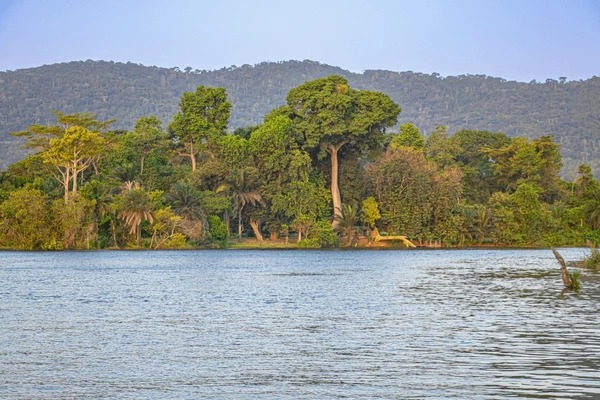
The purpose of this chapter is to uncover and project the eco-tourism potentials of the Volta River and its environments at Dofor Kome in the Dofor Traditional Area of the Volta Region.
It is intended that this should whip up the interest of the international community and potential investors in collaboration with Abba El-Familiar to mobilise resources for the implementation and management of the Multi-purpose Eco-tourism and Integrated Development Project to achieve the recreational, conservation, and development objectives for which it is proposed.
The World Travel Gazette says this about the future of tourism: “There will be rapid expansion, but the tourists of the future will have rising expectations in terms of quality, and in general, the tourists will be much more conscious about the environment and heritage. In the wake of numerous examples of good practice established in response to widespread environmental concerns on which eco-tourism is engineered, our aim is the sustainable development of the resource by maintaining a workable interface between conservation and recreation to engender economic development”.
The environmentally conscious conceptualisation accentuates the watchwords of eco-tourism: carrying capacity, conservation, convenience with the environment, and sustainability. The combination of the ecosystems of hilly rainforests, the fresh water of the Volta River, hilly heaths, and moorlands constitutes a unique scenery worthy of exposition to the world. The holistic development of this site, whose fresh waters run into the Atlantic Ocean, the expanse of arable agricultural land, and the healthy sunshine that provides life will make a great improvement to the scenic qualities of the area, thus creating a superlative agricultural and eco-tourism environment necessary to attract inward investment.
The combination of scenic natural and artificial designs will make it an idyllic setting for recreational boating, canoeing, sailing, and fishing, inviting the deployment of speedboats, motor cruisers, cable
cars, inflatable boats, and more. We could be dreaming of a Ghanaian model of Miami Beach, Côte d’Azur, and Daytona Beach for a Volta Disneyland.
ABBA EL FAMILIAR COMMUNITY DEVELOPMENT AND JOB CREATION PROJECT - TOURIST CENTRE
• Tertiary education centre with a swimming pool behind.
• Two five-story hospitals with a sizable park and polyclinic.
• A pharmaceutical industry with a drug research centre.
• High and basic schools.
• Orchards
• Sacred groove
• Main administration and commercial centre
• Main stadia
• Main swimming pool
• Main cathedral
• Main Library
• Large tourist garden with waterfall
• A decent hotel
• Ranch and farms
• Arts and Gallery Centre
TOURISM ASPECT
The surrounding banks and the river are not the only locations for tourism.
• The island will be a fun host to tourists who are lovers of nature, with the establishment of an ant conservatory, the development of protected species, and the development of medicinal plant fields.
• Hotel facilities on the island will feature various forms of accommodations, such as jungle camping, tent camping, and dormitories, in addition to conventional substrate accommodation; suitable forest tracks will be developed for trekking and bird watching, among other activities.
• The agriculture component intends to package agriculture as a tourist attraction and a learning centre for the expanded cargo-project subcomponent. Everything produced and consumed on the island will be organic. Soil health, which is vital for the flourishing of plants, will be seriously considered for the extensive production of vegetables. Rare plant species, ornamental plants, medicinal plants, and various fruit species will be promoted and developed to attract tourist attention.
• The expanded attention will be replicating what is learnt on the project site in surrounding communities. It is particularly astounding how the sufficiency enshrined, the abundance of arable land, and the availability of flowing rivers all go to waste in a country where agriculture is basic to the national economy and can provide lucrative employment.
• Aquaculture will be particularly concerned with the production of viable fish species for consumption and medicine. The technology for the implementation of this component will be sourced locally and internationally from the Asian Rural Institute (ARI) of Japan and the Syngenta Foundation of Israel. This technology will promote agriculture to the benefit of the Dofor Traditional Area and beyond and open up agro-processing industries to improve the quality of life of the people.
• The third component (where are the first and second components?) comprises the institution and training as star-rated tourism features to complement its aesthetic ambience.
• A specialist hospital, which will be fashioned in the form of the Mampong Centre for Research into Plant Medicine, will complement the orthodox medical centre for the effective development of the star-rated tourism specialised technology university that is proposed for establishment among other institutions.
• A star-rated hotel will be constructed, including features such as quiet rest homes (residences secondaries), chalets, and executive and pre-executive suites for upper-class visitors.
• Environmentally friendly construction technology will be employed in the construction to ensure that every aspect is tourist-attracting. It is observed that prefabricated buildings will be more suitable for the aesthetic quality required as well as the accessibility of the island.
• A high-end skills training centre, for the training of trainers, will be established for the provision of advanced technical and vocational skills. This is aimed at satisfying the job creation objective of the project. This centre will provide capacity-building skills for the youth and ultimately place them in their jobs of choice and settle them on the various vacations to be acquired.
With the commencement of the project, every innovative idea will be applied to ensure that the best services and skills are employed to deliver the ultimate of all products for the project. The components, subcomponents, and their various units are indicated on the attached map.
PROJECT LOCATION
The island village of Dofor Kome is the host of the Multipurpose Integrated Eco-Tourism Development Project. Dofor Kome is located within the Lower Volta Basin in the south-eastern part of Ghana. It is accessible by about a two-hour drive on the Eastern Corridor, over a distance of about
122 km from Accra. From the regional capital, Ho, towards Accra, a 62-kilometre drive arrives at the cosmopolitan settlement of Juapong. From Juapong, a 22-kilometre drive towards the road that leads to Mafi Adidome brings the adventurer to the precincts of the quiet, unexploited island of Kome. Juapong, which is the main town from which one can connect.
Kome is an abandoned industrial town, renowned for its textile factory, which used to employ a great number of youths. It has, however, maintained the relics of the textile factory by remaining the pillow manufacturing centre of the Volta Region.
Juapong has a fledgling market and a secondary school. It is from here that the inhabitants of Kome obtain their basic needs, which are not available on the island.
From the village of Kportime, along the road, the 150-meter walk descends into the river basin in quietude. The serenely flowing Volta River welcomes you with its cool breeze while the hilly island beckons you from afar across its expanse. Your solitude will remain quiet if you do not have a prior arrangement for a ride across the river. One will be lucky to have children descending the hill from across the river on the other bank to draw water. Upon crossing the river, you are welcomed by the smooth-graded hill of dense, shrubby forest.
Ascending the smooth, graded hill welcomes one to the quiet local community of Kome. It is essentially a settlement of native Dofor, a restive locality of conspicuous neatness.
The serene nature of the place is proof of its unexploited habitat. The inhabitants, being surrounded by water on unexploited land, are traditionally fishermen and peasant farmers.
The serenity of this island bathed in fresh water and its environment is a real spectacle to observe across the river; this is the scenic settlement for the lover of nature, the epicentre for the redevelopment, and the sustenance of a liveable ecosystem.
TREES AND HUMAN LIFE
The vitality of humanity’s existence is dependent on the flourishing of flora and fauna. The essential blend of both is asserted by the creator in Genesis 2:5 and 15. Nature is what humans give to this creation as its name, which on its own has taken care of our survival over the centuries. Humanity has come to discover, in the name of science, that forests are the lungs of the earth, and forests are created by the abundance of trees. This divine endowment also constitutes the wealth of man.
Humanity has been robbed of the knowledge of his life being attached to the replenishment of the flourishing forest and rather engaged in its destruction, harvesting its content for wealth. This is the reason 3,980 km³ of rainforest in the Amazon in Brazil (five times the size of New York City) was cleared in the first six months of 2022. This is the reason the Ghanaian government intends to rezone the remaining 1.4 km³ of Achimota forest for redevelopment. The same reason accounts for the current mining activities going on in the Tano Nimiri forest reserve in the Amenfi West Municipality of the Western Region of Ghana. We exploit for wealth and thus impoverish ourselves. Absorbing atmospheric carbon dioxide and emitting oxygen. Forests are natural carbon sinks, absorbing carbon dioxide and emitting oxygen. Forest clearing or tree cutting, which is called degradation/deforestation, causes the emission of greenhouse gases, and instead of being an absorber, it rather becomes an emitter. Deforestation causes biodiversity losses and transitions the forest into savannah, while the savannah transitions into desert.
Why are we crippled by our minds into a vicious cycle of poverty and wealth under environmental degradation?
Our government wants to dissuade citizens from the use of wood-sourced energy from firewood and charcoal and to resort to liquefied petroleum gas (LPG), yet the government needs money from LPG and therefore prices it above the reach of the ordinary Ghanaian. What a paradox.
We at Abba El Familiar have gone past this paradox, living in the knowledge that we must consciously recover the greenery by planting trees.
REGENERATING OUR ENVIRONMENT BY PLANTING TREES
1. Transforming our local environment into a low-carbon environment by planting trees.
2. Protect our degraded environment by transitioning savannah into forest by planting trees.
3. Creating jobs for the youth through tree planting.
We will educate the youth and the public on the adverse effects of our traditional agricultural practices, which pollute the air, degrade the soil, and deplete the ozone layer. Yes! We are ready to get into the fight against climate change and global warming. Every single tree has essential value. The non-fruit- bearing tree provides shade and an abode for birds. Fruit trees provide food for humans and animals. Every tree gives humans oxygen. Medicinal and ornamental trees provide health and wealth in their respective ways. Plant a tree today.
POLICY
By Policy, Abba El Familiar shall:
● Champion general development projects in Ghana.
● Team up with other African countries for development programmes.
● Green the environment through planting of trees.
● Develop resources from the grassroots.
● Work with Citizens of the diaspora.
● Serve as a searchlight for humanity, revealing the mercies and salvation plan of God to suffering humans.
● Partner with religious organisations to provide the necessities of the less-privileged.
● Offer advocacy and aid services to those who suffer injustice and dehumanising conditions.
● Create a life-transformation environment for humanity.
● Ensure equity in the society.
● Support nation-building activities by mobilising society for development projects.
● Ensure leadership quality and the welfare of citizens of various nations.
● Offer reconciliation services to the general public.
● Grant voluntary services and mobilise the youth to carry out development projects.
● Care for the less privileged and foster the development of needy souls.
● Inform society that atrocities are not the best choice of life.
● Render health education and medical care to the public.
● Advocate for a decent marriage and render the necessary counselling.
● Restore broken relationships by finding means to foster family reunions.
● Reach out to prisoners with the word of God and serve as advocates for those unlawfully imprisoned.
● Render rehabilitation support for ex-convicts.
● Visit the hospitalised with words of hope and solicit means to aid medications.
May the Almighty God bless us as we strive to transform the lives of our fellow humans.
THE SUSTAINABLE SUPPORT PLAN
A famous Japanese saying is that it is better to train one to fish than to give him fish to eat. Thus, Abba El Familiar is committed to not only supporting those who submit themselves to undergo the various trainings but also ensuring that the support they receive is sustainable. While ensuring this, Abba El Familiar also has the obligation to remain efficient, effective, and sustainable. This is both in planning, implementation, and financing.
ABBA EL FAMILIAR
Abba El Familiar plans to manage the resources that will sustainably come to her through carefully laid measures in investing the capital over a period while employing the interest accrued to support the trainees. Thus, even after their training, Abba El Familiar could further equip or provide outfits for the trained to begin their own projects for some time before weaning them to be on their own. This approach will be followed carefully, so accountability and reporting will be of high integrity.
THE TRAINED AND THEIR EMANCIPATION
This will enable both the trainees and Abba El Familiar to roll out their respective programs during training and labour with sustainable measures and their attendant positive outcomes. This will further enable Abba El Familiar to reach out to more people and offer them the needed training for the Black race across the African continent and in the diaspora. Thus, their emancipation and rehabilitation would be more complete to turn things around on the continent and beyond.